
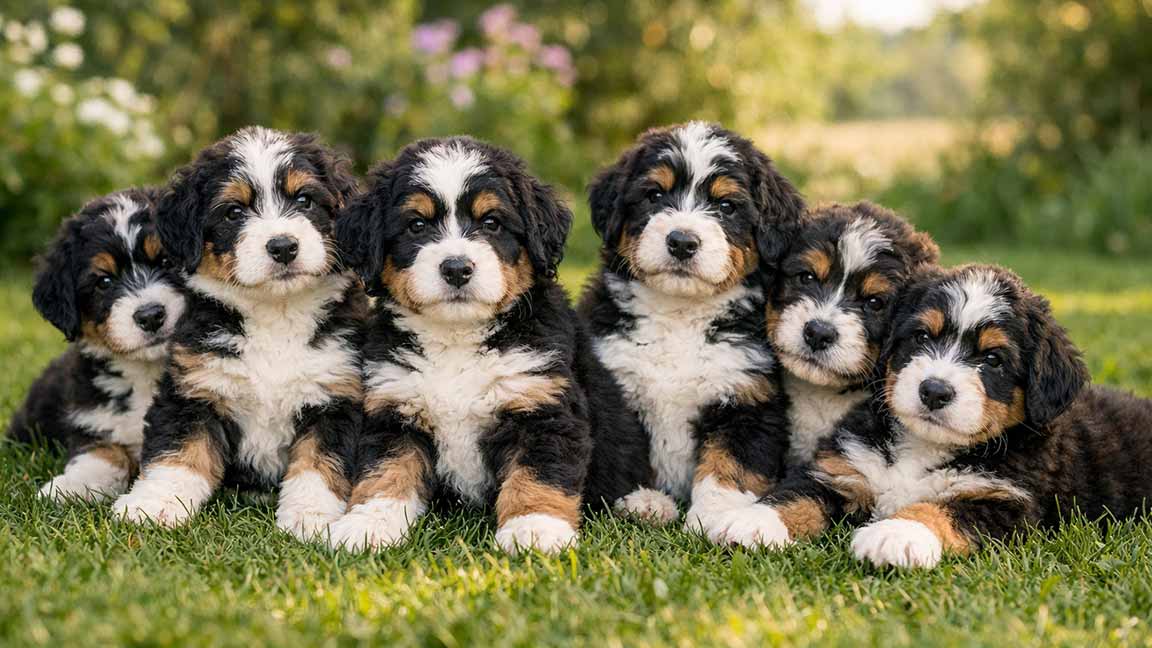
Responsible breeding means raising puppies with a focus on health, temperament, and lifelong well-being rather than simply producing litters. When families choose a responsibly bred puppy, they are choosing careful planning, veterinary oversight, proper nutrition, and early socialization. Responsible breeding helps ensure puppies start life healthy and confident, which greatly improves their chances of becoming loving and stable family companions.
At Love Berners, responsible breeding guides every step of how Mini Bernese Mountain Dogs and Tiny Bernedoodles are raised. The goal is not simply to place puppies in homes, but to give every puppy the strongest possible start through attentive care, ethical practices, and ongoing support for families.
What Responsible Breeding Really Means
 Responsible breeding focuses on producing healthy dogs with excellent temperaments while protecting the breed’s long-term well-being.
Responsible breeding typically includes:
- Carefully selected parent dogs
- Planned litters rather than constant breeding
- Veterinary supervision from birth
- Proper nutrition and health monitoring
- Early socialization and enrichment
- Continued breeder support after adoption
This approach requires time, knowledge, and dedication, but it results in puppies that are physically healthy and emotionally balanced.
Responsible breeding is one of the biggest factors influencing how a puppy grows, learns, and adapts to family life.
Veterinary Care From the Beginning
One of the most important parts of responsible breeding is providing professional veterinary care during a puppy’s earliest stages of life.
At Love Berners, puppies receive consistent veterinary care as they grow and develop.
Health care practices include:
- Initial health checks by a licensed veterinarian
- Monitoring for congenital or developmental concerns
- Regular checkups to ensure puppies are growing properly
- Professional oversight throughout early development
This level of care helps ensure that each puppy is healthy and ready to thrive in their new home.
Responsible breeding always prioritizes health before anything else.
Vaccinations and Preventive Care
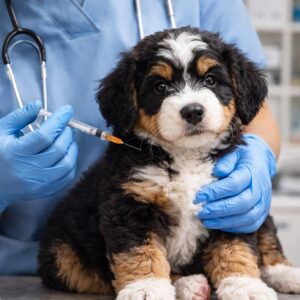
Preventive care is another essential part of responsible breeding.
Puppies are vulnerable to several illnesses during their early weeks of life. Vaccinations and parasite prevention help protect them while their immune systems are still developing.
Responsible breeding includes:
- Vaccinations based on veterinary guidelines
- Deworming treatments during early development
- Maintaining accurate vaccination records for new families
When families bring home their puppy, they receive documentation that helps them continue proper veterinary care with their local veterinarian.
Consistency and transparency are important parts of responsible breeding practices.
Nutrition for Healthy Development
Nutrition plays a major role in responsible breeding because proper feeding supports healthy growth.
Puppies grow rapidly during their first weeks of life, and their diet must support strong bones, immune systems, and brain development.
At Love Berners, puppies receive high-quality, age-appropriate nutrition designed to support optimal growth and development. Their diet is monitored carefully, and adjustments are made when needed based on veterinary guidance.
Healthy nutrition during the early weeks lays the foundation for a lifetime of better health.
Responsible breeding recognizes that what puppies eat early in life matters greatly for their long-term well-being.
Socialization and Emotional Health
Responsible breeding also focuses heavily on emotional development.
Puppies need positive experiences with people, sounds, and environments in order to grow into confident dogs.
Early socialization helps puppies learn how to:
- Interact comfortably with people
- Explore new environments
- Play appropriately with other dogs
- Adapt to everyday household activity
At Love Berners, puppies grow up in a safe and nurturing environment where they receive regular interaction and gentle handling.
These experiences help Mini Bernese and Tiny Bernedoodles develop into friendly, well-adjusted companions that thrive in family homes.
Responsible breeding understands that mental well-being is just as important as physical health.
Why Health Guarantees Matter
A health guarantee is another important sign of responsible breeding.
Responsible breeders stand behind the puppies they raise because they believe in the quality of their breeding program.
At Love Berners, families receive a comprehensive health guarantee that supports peace of mind when bringing home a new puppy.
This includes:
- A health certificate from a licensed veterinarian
- Confirmation that the puppy is healthy at the time of adoption
- A one-year health guarantee covering severe genetic conditions
If a hereditary condition is diagnosed by a licensed veterinarian during the guarantee period, the breeder works with the family to provide support in accordance with the terms of the agreement.
Responsible breeding means taking responsibility for the long-term health of the puppies produced.
Ongoing Support for Puppy Families
 Responsible breeding does not end when a puppy goes home.
One of the most valuable parts of working with an ethical breeder is the guidance and support available after adoption.
At Love Berners, families are encouraged to reach out with questions about:
- Puppy health and nutrition
- Training and socialization
- Veterinary care
- Adjusting to life with a new puppy
This ongoing support helps families feel confident as they raise their new companion.
Responsible breeding builds long-term relationships with puppy families.
Why Responsible Breeding Makes a Difference
The difference between responsible breeding and careless breeding can have a lasting impact on a dog’s health and behavior.
When breeders focus on responsible breeding practices, puppies benefit from:
- Better health outcomes
- Stronger immune systems
- Stable temperaments
- Easier adjustment to family life
Families also benefit from the confidence that their puppy was raised with care, knowledge, and ethical standards.
Responsible breeding is not simply about producing puppies. It is about protecting the well-being of every dog and ensuring families receive companions that will bring joy for many years.
At Love Berners, responsible breeding is a promise to both the puppies and the families who welcome them home.

FAQ
What is responsible breeding?
Responsible breeding means raising puppies with a focus on health, temperament, and proper development. Ethical breeders prioritize veterinary care, nutrition, socialization, and long-term well-being.
Why is responsible breeding important?
Responsible breeding helps reduce health problems, improves temperament, and ensures puppies receive proper care during their earliest weeks of life.
What breeds does Love Berners raise?
Love Berners focuses on Mini Bernese Mountain Dogs and Tiny Bernedoodles raised with careful attention to health, socialization, and family readiness.
What does a puppy health guarantee cover?
A health guarantee typically covers serious genetic or hereditary conditions for a specific time period after adoption. At Love Berners, families receive documentation confirming their puppy’s health at the time of adoption.
How does early socialization help puppies?
Early socialization helps puppies become confident, friendly, and adaptable. Responsible breeding programs provide safe exposure to people, sounds, and new environments during early development.
How can I tell if a breeder practices responsible breeding?
Signs of responsible breeding include veterinary care, health records, proper nutrition, early socialization, health guarantees, and ongoing support for families.