
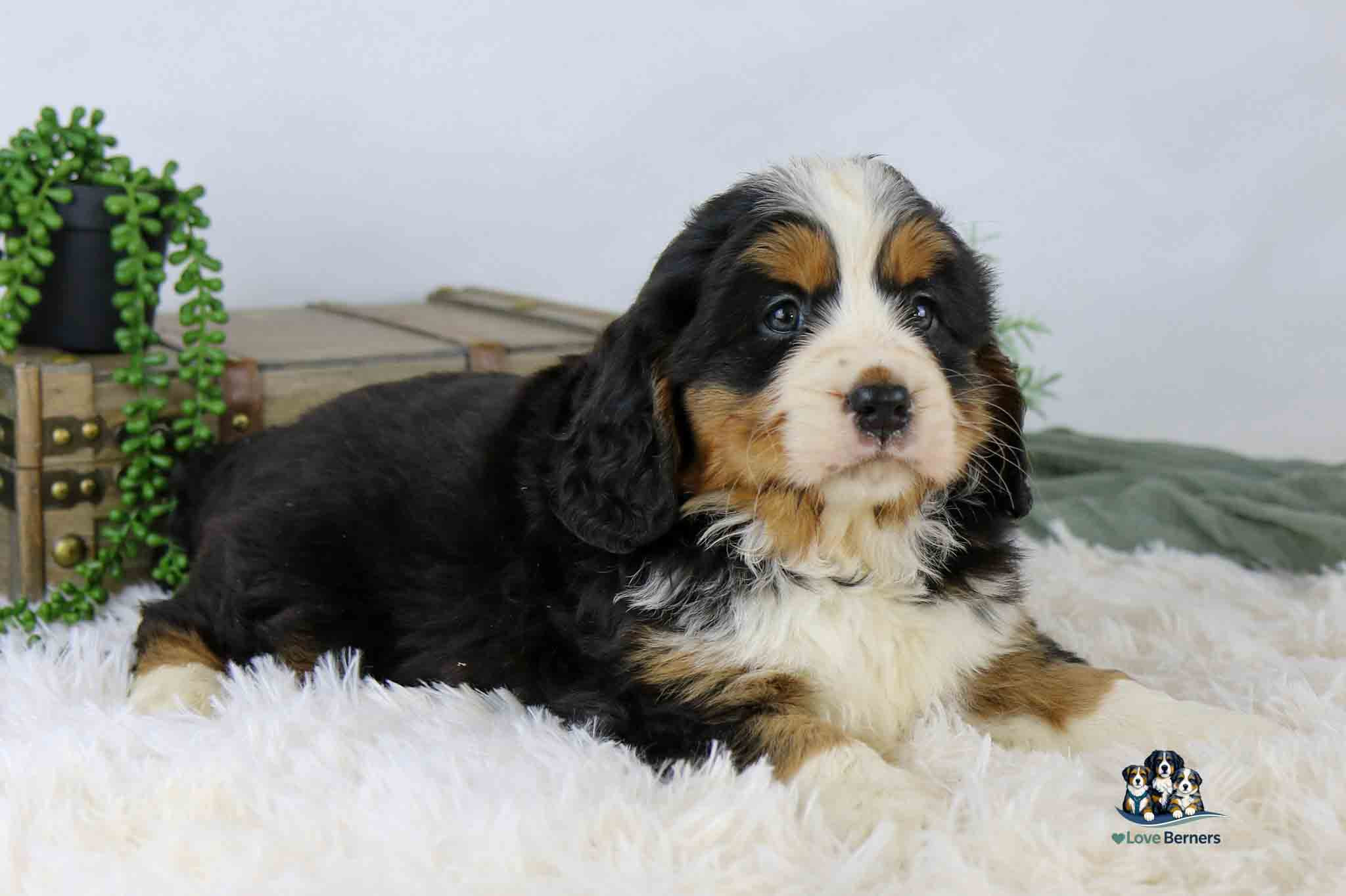
Bringing home a new puppy is one of the most exciting moments a family can experience, and being prepared makes all the difference. At Love Berners, we have walked alongside hundreds of families through this transition, and we know firsthand that the families who prepare ahead of time settle in faster, stress less, and enjoy those first precious days so much more. This new puppy checklist covers everything you need to have ready before your Mini Bernese Mountain Dog or Tiny Bernedoodle walks through your door for the very first time.
Why a New Puppy Checklist Matters
A new puppy does not come with a pause button. From the moment they arrive, they explore, learn, and bond with their new family. Having the right supplies, the right setup, and the right information in place before pickup day means you can focus entirely on welcoming your puppy rather than scrambling to figure out what you need.
We provide every Love Berners family with a detailed care and nutrition guide before their puppy comes home, but we always recommend pairing that with a well-stocked home that is ready for a curious, energetic, and deeply lovable new family member.
New Puppy Checklist: Supplies to Have Ready
The Crate

A crate is one of the single most important items on your new puppy checklist. Far from being a punishment, a crate gives your puppy a safe, den-like space that is entirely their own. It also makes housetraining significantly easier and gives your puppy a place to decompress when the world feels overwhelming.
Choose a crate that is large enough for your puppy to stand, turn around, and lie down comfortably. For Mini Bernese Mountain Dogs and Tiny Bernedoodles, a medium-sized crate with a divider panel works well since you can expand the space as your puppy grows without needing to buy a new crate. Add a soft blanket and a safe chew toy to make it feel cozy and inviting from day one.
Food and Water Bowls
Stainless steel or ceramic bowls are the best choices for puppies. They are easy to clean, durable, and do not harbor bacteria the way plastic bowls can over time. Choose a size that suits your puppy now, but will still work as they grow.
If you have a Mini Bernese Mountain Dog, a slightly elevated bowl can be a good investment to support a comfortable eating posture as they reach adult size.
Puppy Food
Before your puppy comes home, ask us what food they have been eating here at Love Berners. We feed our puppies high-quality diets tailored to their specific developmental needs, and continuing the same food for at least the first few weeks helps prevent the digestive upset that comes with a sudden diet change.
If you plan to transition your puppy to a different food eventually, do so gradually over seven to ten days by mixing increasing amounts of the new food with the old. Your puppy’s stomach will thank you.
Collar, ID Tag, and Leash
Your puppy should have an ID tag with your name and phone number on their collar from their very first day home. Accidents happen, gates get left open, and a properly tagged puppy has a much better chance of making it safely back to you.
Choose a lightweight, adjustable collar that fits snugly but allows two fingers to slip underneath. A simple four to six-foot leash is all you need to start. Save the retractable leash for later once your puppy has learned basic leash manners.
Harness
A well-fitting harness is a great addition to the collar-and-leash setup. Harnesses distribute pressure more evenly across the chest rather than the neck, which is especially important for young puppies still learning to walk politely on leash.
Safe Chew Toys and Interactive Toys

Puppies chew. It is not mischief, it is biology. Teething puppies need appropriate outlets for their urge to gnaw, and providing a variety of safe chew toys protects your furniture and keeps your puppy happy and occupied.
Stock up on a mix of:
- Durable rubber chew toys like Kongs, which can be stuffed with puppy-safe fillings and frozen for extra enrichment
- Rope toys for interactive play and gentle tug games
- Soft plush toys for comfort, especially in the early days when your puppy misses their littermates
- Crinkle or squeaky toys for mental stimulation and sensory engagement
Rotate toys regularly to keep things fresh and maintain your puppy’s interest.
Puppy Gates and Exercise Pen
Limiting your new puppy’s access to your entire home from day one makes housetraining, supervision, and settling in much more manageable. Baby gates block off staircases, laundry rooms, and rooms that have not yet been puppy-proofed. An exercise pen creates a defined safe zone where your puppy can play and rest when you cannot actively supervise.
Starting small and gradually expanding your puppy’s freedom as they earn trust is one of the most effective approaches to a smooth transition.
Enzymatic Cleaner
Accidents are part of life with a new puppy, and cleaning them up properly matters. Enzymatic cleaners break down proteins in urine and feces at the molecular level, eliminating odor completely rather than just masking it. This is important because puppies are drawn back to spots where they can still smell previous accidents, even when the smell is imperceptible to humans.
Have a bottle ready before your puppy comes home. You will be glad you did.
Grooming Supplies
Both Mini Bernese Mountain Dogs and Tiny Bernedoodles have beautiful coats that require regular maintenance. Starting a grooming routine early helps your puppy get comfortable with being handled, which pays off enormously at professional grooming appointments as they grow.
Start with:
- A slicker brush for regular brushing sessions
- A metal comb for working through tangles, especially around the ears and paws
- Puppy-safe nail clippers or a scratch board for nail maintenance
- Dog-safe ear cleaning solution and cotton balls
- A gentle puppy shampoo for bath time
Even if your puppy does not technically need grooming yet, short, positive handling sessions from day one build a puppy that is calm and cooperative at the groomer for life.
Puppy Bed or Blanket
A soft, washable bed or blanket gives your puppy a comfortable resting spot outside of the crate. Some puppies take to a dedicated bed immediately; others prefer to nap on a cool floor, a couch cushion, or directly on top of your feet. Having a bed available gives them the option while keeping their comfort in mind.
A tip we love: ask your breeder for a small cloth or blanket that smells like the litter. Familiar scents are deeply comforting to a puppy adjusting to a new environment, and this simple step can make the first few nights significantly easier.
New Puppy Checklist: Setting Up Your Home
Create a Puppy Zone
Before your new puppy arrives, designate a home base for them. This is the area where their crate, food, water bowls, and toys will be. It should be in a social part of the home where they can see and hear the family, but calm enough that they are not constantly overstimulated.
A defined puppy zone helps with housetraining, simplifies supervision, and gives your puppy a sense of security in an unfamiliar environment.
Puppy-Proof Room by Room

Get down to puppy level and look at each room through curious eyes. Anything within reach is fair game. Tuck away electrical cords, move toxic houseplants, secure low cabinet doors, and remove small items that could be swallowed.
Pay particular attention to:
- Kitchen and bathroom cabinets containing cleaning products or medications
- Trash cans without secure lids
- Shoes, socks, and clothing left on the floor
- Toxic plants, including pothos, aloe vera, sago palm, and peace lily
Find a Veterinarian Before Pickup Day
Do not wait until your puppy is home to research veterinarians. Find a vet you trust before pickup day and schedule your puppy’s first wellness appointment for within the first few days of arrival. At Love Berners, every puppy receives comprehensive health checks and vaccinations before going home, and we provide full documentation to share with your vet.
Building a relationship with a good veterinarian early sets the foundation for a lifetime of proactive, preventive care.
New Puppy Checklist: Information to Have Ready
Know Your Pickup Details
Confirm your pickup date, time, and any documentation you need to bring. At Love Berners, we send families home with a care packet that includes health records, vaccination history, and guidance on feeding, training, and settling in. Keep this information somewhere accessible for your first few weeks.
Have a Vet Appointment Booked
As mentioned above, your first vet visit should happen within a few days of your puppy coming home. Bring all health documentation from your breeder and prepare a list of any questions you have. First appointments are also a great opportunity to discuss your puppy’s vaccination schedule, parasite prevention, and spay/neuter timing.
Know What Food to Buy
Contact us before pickup day to confirm exactly what food your puppy has been eating so you can have it stocked and ready. Consistency in diet during those first weeks supports healthy digestion and helps your puppy adjust without unnecessary tummy troubles.
Prepare Your Family
If you have children, spend some time before the puppy arrives talking about how to interact respectfully with a new dog. Gentle hands, calm voices, and giving the puppy space to rest are all important lessons that make the transition easier for everyone, including the puppy.
Assign age-appropriate puppy responsibilities to each family member so that the care feels shared and the excitement is channeled productively from day one.
A Note From the Love Berners Team
At Love Berners, our commitment to your puppy does not end on pickup day. We are here to answer questions, offer guidance, and celebrate milestones with you long after your Mini Bernese Mountain Dog or Tiny Bernedoodle comes home. We believe that every dog deserves a loving home, and every home deserves a loving dog, and that belief means we stay invested in your puppy’s wellbeing for life.
If you ever have questions about settling in, nutrition, training, or anything else as your new puppy grows, do not hesitate to reach out to our team. We have experienced breeders, veterinary technicians, and animal care specialists who genuinely love what they do and are always happy to help.
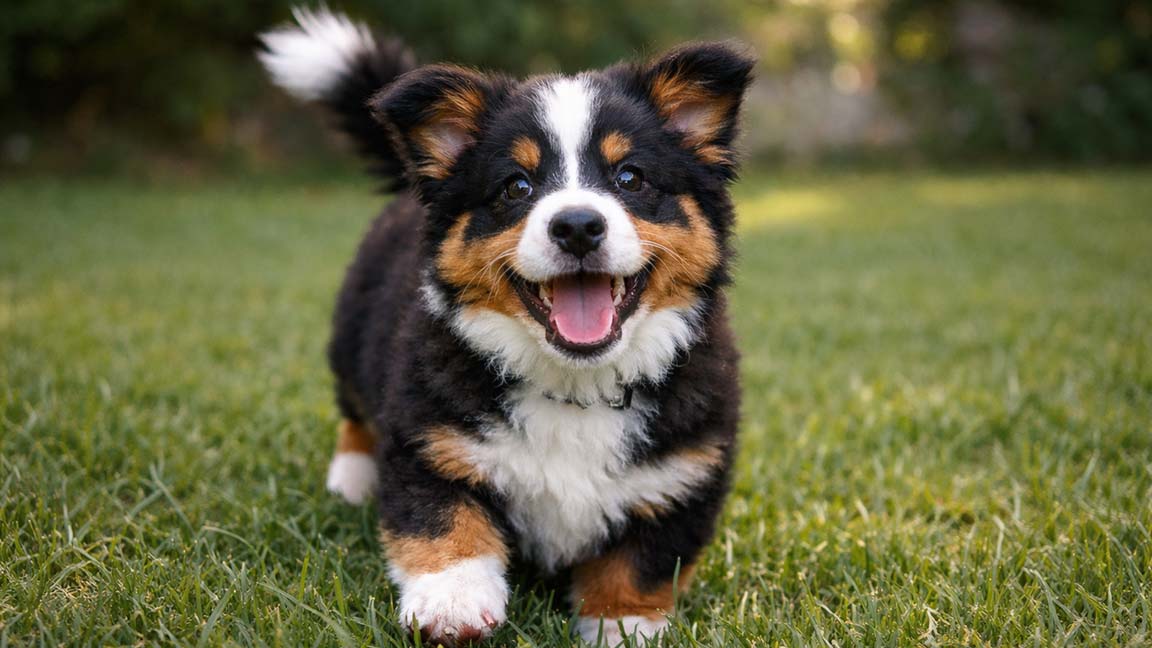
Frequently Asked Questions
What should I have ready before bringing a new puppy home?
Have a crate, food and water bowls, puppy food, collar, ID tag, leash, safe chew toys, enzymatic cleaner, and basic grooming supplies ready before pickup day.
What food should I feed my new puppy?
Ask your breeder what food your puppy has been eating and continue that same food for at least the first few weeks to avoid digestive upset. Transition to a new food gradually over seven to ten days if needed.
How do I set up a crate for a new puppy?
Choose a size-appropriate crate with a divider so it can grow with your puppy. Add a soft blanket and a safe toy, place it in a social but calm area of your home, and introduce it gradually with positive associations.
Should I limit my new puppy’s access to the whole house?
Yes. Starting with a defined puppy zone and expanding access gradually as your puppy earns trust makes housetraining easier and helps your puppy settle in with less anxiety.
When should I schedule my new puppy’s first vet visit?
Book your first vet appointment before your puppy even comes home and aim to go within the first few days of arrival. Bring all health documentation from your breeder and prepare a list of questions.
How do I clean up puppy accidents properly?
Use an enzymatic cleaner, which breaks down odor-causing proteins completely. Standard household cleaners only mask the smell, and puppies are drawn back to spots where they can still detect previous accidents.
What grooming supplies do I need for a Mini Bernese Mountain Dog or Tiny Bernedoodle?
Start with a slicker brush, metal comb, puppy-safe nail clippers, ear cleaning solution, and a gentle puppy shampoo. Beginning grooming sessions early builds a puppy that is calm and cooperative at the groomer for life.