
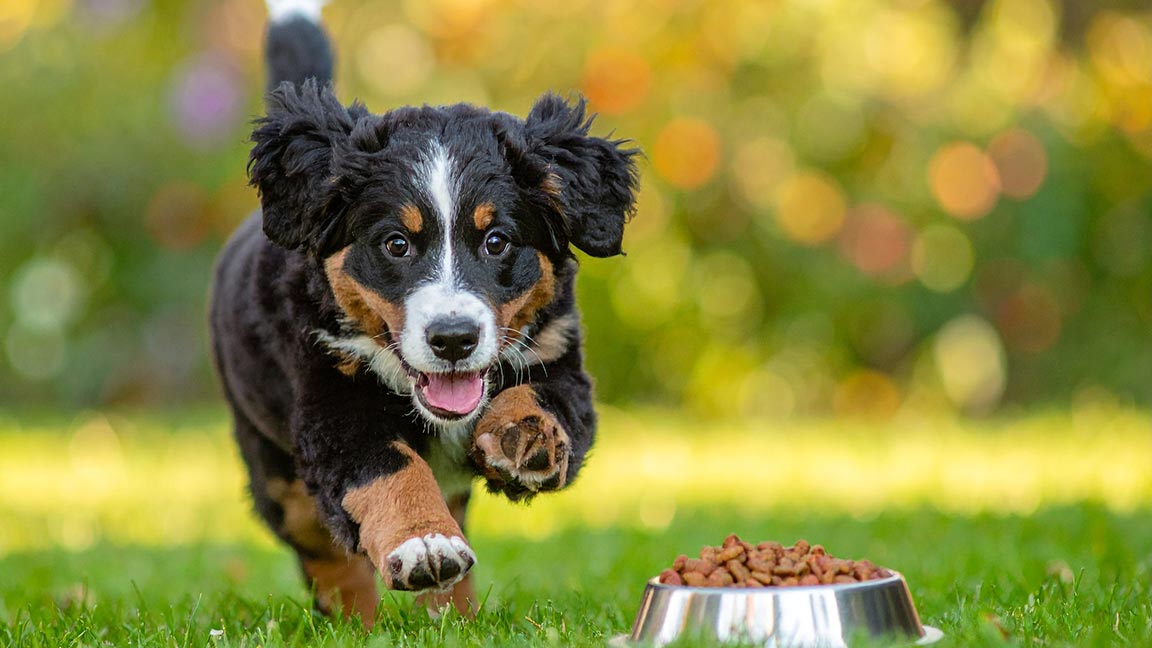
Mini Bernese Mountain Dogs are cuddly, loyal, and full of personality. With their affectionate nature and playful energy, it’s no surprise that families everywhere are falling in love with these pint-sized versions of the Bernese. But one question every new owner asks is: what’s the best diet for a Mini Bernese Mountain Dog?
The truth is, your pup’s diet plays a huge role in their health, energy, and overall happiness. At Love Berners, we believe that good nutrition goes hand in hand with ethical breeding practices and health testing. The right diet not only keeps your Mini Berner healthy but also helps prevent potential issues down the road. Let’s dig into everything you need to know.
Why Diet Matters for Mini Bernese Mountain Dogs
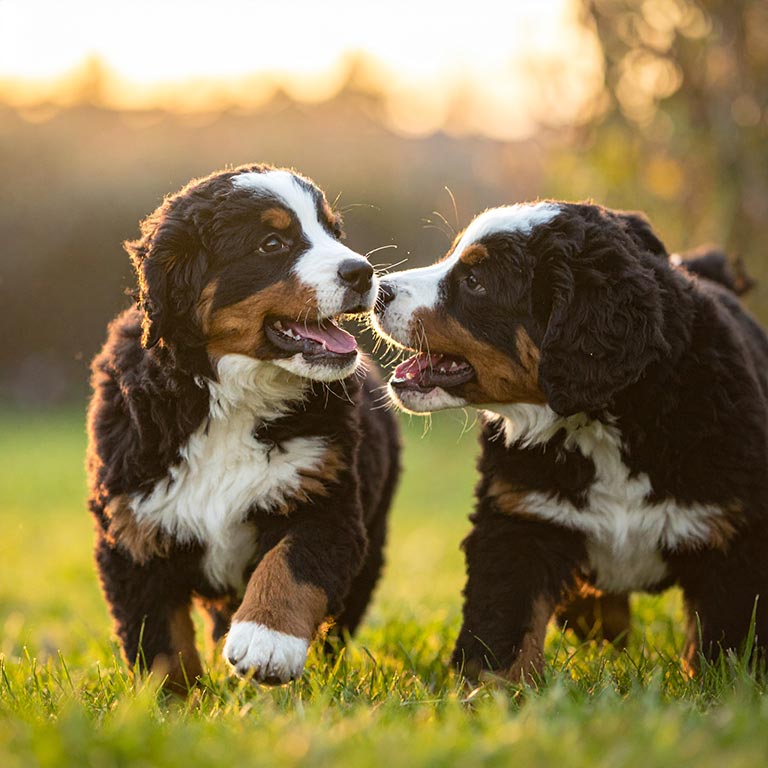
Mini Bernese Mountain Dogs may be smaller than their standard cousins, but they still have big appetites and big nutritional needs. A balanced diet ensures they:
- Maintain a healthy weight
- Support strong bones and joints
- Keep their coats shiny and soft
- Boost their immune systems
- Stay full of energy for play and walks
Because Mini Bernese Mountain Dogs can be prone to certain health issues like joint problems or sensitivities, the right food is a powerful tool in keeping them thriving.
Key Nutritional Needs
When choosing the best diet for a Mini Bernese Mountain Dog, it helps to know what nutrients matter most.
High-Quality Protein
Protein fuels growth, muscle maintenance, and energy. Look for dog foods with real meat like chicken, beef, or salmon listed as the first ingredient.
Healthy Fats
Omega-3 and omega-6 fatty acids keep your pup’s coat glossy and their skin healthy. They also support brain and heart health.
Complex Carbohydrates
Brown rice, oats, and sweet potatoes provide energy while keeping digestion steady. Avoid foods loaded with fillers like corn or soy.
Vitamins and Minerals
Calcium, phosphorus, and vitamin D help support strong bones and teeth. Antioxidants like vitamins A and E boost immune health.
Joint Support
Because joint health can be a concern, foods enriched with glucosamine and chondroitin are excellent choices for long-term wellness.
Puppy Diet vs Adult Diet
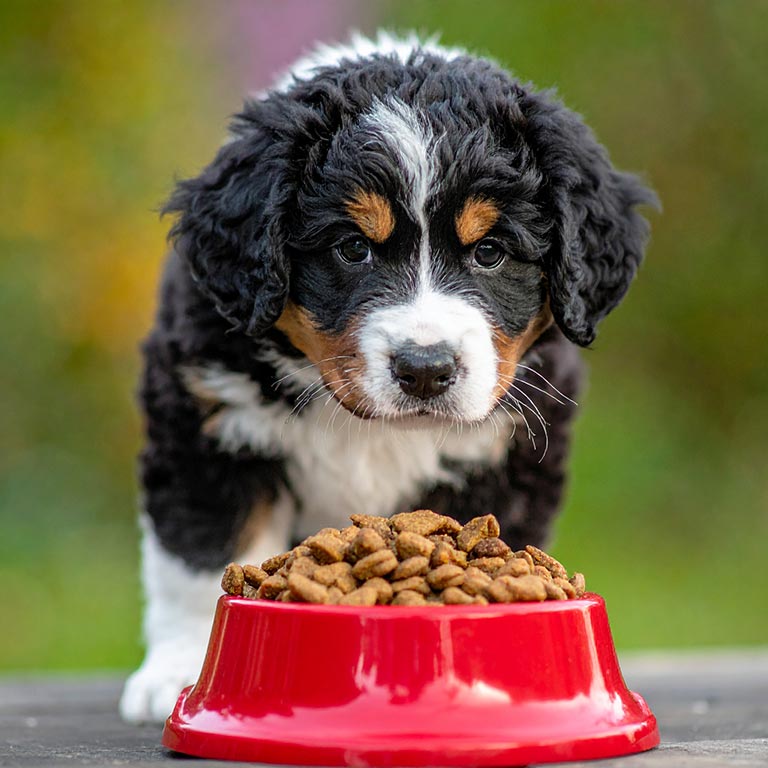
Puppies and adults have different dietary needs, and it’s important to feedthem accordingly.
- Puppies: Need more calories, protein, and fat to fuel their growth. Puppy-specific formulas are a must until about one year of age.
- Adults: Transition to a balanced adult food that maintains energy without packing on extra pounds. Overfeeding can stress joints and lead to weight gain.
- Seniors: May need fewer calories and more joint-supporting nutrients as activity levels decrease.
Portion Control
Mini Bernese Mountain Dogs love their food, but too much of a good thing can lead to obesity. Portion control is just as important as food quality.
- Always followthe feeding guidelines on your food’s packaging.
- Adjust based on your dog’s activity level and age.
- Keep an eye on their body condition—ribs should be felt but not seen.
- Use healthy treats sparingly, especially during training.
Foods to Avoid
Not all human foods are safe for dogs. Some can even be toxic. Steer clear of:
- Chocolate
- Grapes and raisins
- Onions and garlic
- Avocados
- Foods with artificial sweeteners like xylitol
If in doubt, stick to high-quality dog foods and vet-approved treats.
Supplements for Extra Support

Some Mini Bernese Mountain Dogs benefit from dietary supplements, especially for joint or skin health. Consider asking your vet about:
- Fish oil: For shiny coats and reduced inflammation
- Probiotics: To support digestion and gut health
- Joint supplements: Like glucosamine for added joint support
Remember, supplements are not a substitute for a balanced diet—they’re just the cherry on top.
How Ethical Breeding Helps
At Love Berners , we know that the best diet for a Mini Bernese Mountain Dog starts before they even leave our home. Ethical breeding practices, including health testing and a health guarantee and careful attention to parent dogs’ nutrition, mean your puppy has a strong foundation from day one. Puppies raised in healthy, loving environments with proper diets are more likely to grow into confident, robust adults.
We also provide guidance for new puppy families, so you know exactly how to continue supporting your Mini Berner’s health through proper nutrition.
Fun Ways to Make Mealtime Special
Feeding time doesn’t have to be boring! Here are a few fun ideas to spice up your Mini Berner’s meals:
- Puzzle feeders: Turn mealtime into a game and mental workout.
- Frozen Kongs: Stuff with dog-safe peanut butter and freeze for a tasty challenge.
- Homemade toppers: Add plain cooked veggies like carrots or green beans for extra crunch.
Making meals fun keeps your pup engaged and satisfied while strengthening your bond.

Final Thoughts
The best diet for a Mini Bernese Mountain Dog is one that balances high-quality protein, healthy fats, complex carbs, and the right vitamins and minerals. With portion control, supplements when needed, and a little creativity, you can keep your pup’s tail wagging for years to come.
And remember, a healthy diet goes hand in hand with ethical breeding practices. At Love Berners, our dedication to health testing, socialization, and a lifetime of breeder support means you’ll never be on this journey alone.
FAQ
How often should I feed my Mini Bernese Mountain Dog?
Puppies do best with 3–4 small meals a day, while adults usually thrive on 2 balanced meals daily.
Do Mini Bernese Mountain Dogs need grain-free food?
Not necessarily. Many thrive on whole grains like rice and oats. Grain-free diets should only be used if recommended by your vet.
Can I give my Mini Bernese Mountain Dog raw food?
Some owners prefer raw diets, but it’s important to consult your vet to ensure it’s balanced and safe.
How many calories does a Mini Bernese Mountain Dog need?
Calorie needs vary by age, size, and activity level, but most need between 700–1,200 calories per day.
What treats are healthy for Mini Bernese Mountain Dogs?
Opt for small, low-calorie treats like freeze-dried meat, carrots, or vet-approved biscuits to avoid overfeeding.